
Tariff analysis
Where the price spread and capacity charges actually sit.
Integration
Storage turns a good solar project into a resilient, dispatchable energy asset.
Solar generates when the sun is up. Batteries let you use that energy when it is worth the most — and keep critical loads running when the grid does not. Designed together, the two assets are worth considerably more than the sum of their parts.
Self-consumption: store surplus generation instead of exporting it at a fraction of import value. Peak avoidance: discharge through triad-style and red-band periods to cut capacity and network charges. Resilience: hold critical loads through outages and dips. Flexibility: earn from balancing and capacity markets where the site profile allows.
We model each stream against your actual tariff and profile, and only recommend storage where the stacked case stands up over the asset's life.
Oversized batteries with poor control strategies underperform small, well-optimised ones. The controller, tariff structure and dispatch logic determine returns as much as the cell chemistry does — so we specify the control layer with the same rigour as the hardware.
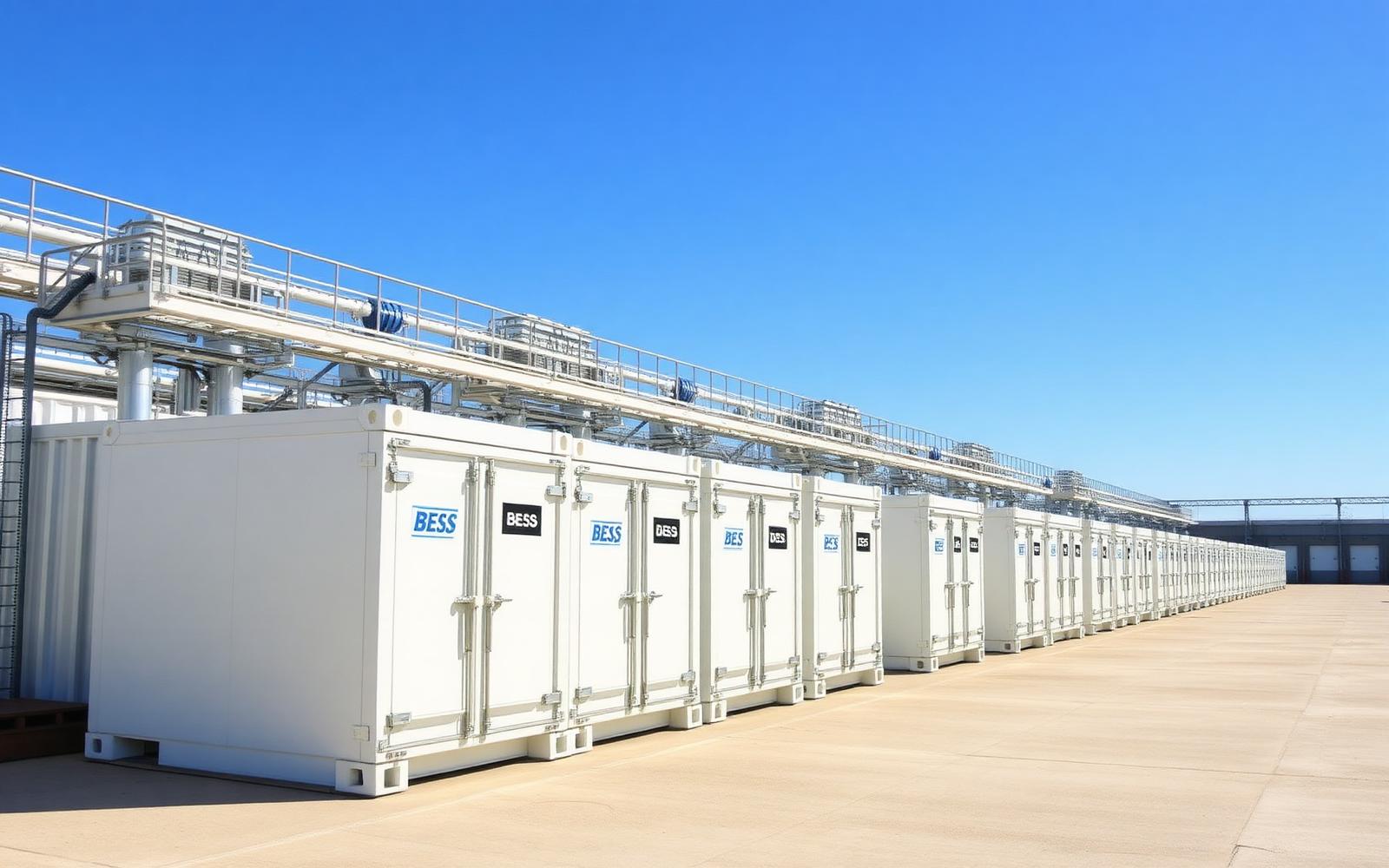
Battery siting, fire separation, ventilation, insurer engagement and end-of-life planning are addressed at design stage. We review throughput and capacity warranties in detail — headline cycle counts rarely tell the whole story.
What we assess
Where the price spread and capacity charges actually sit.
What must ride through an outage, and for how long.
Dispatch logic, forecasting and integration with solar inverters.
Separation distances, ventilation, fire strategy and insurer sign-off.
Import and export limits, G99 and flexibility market eligibility.
Degradation, augmentation and replacement planning.
More on solar
We will model yield, self-consumption, funding routes and payback using your own consumption data — independently, and with no obligation.