Commercial solar finance

Finance your commercial solar installation

Install solar without placing unnecessary pressure on your cash flow. Compare outright purchase, asset finance, leasing and fully funded solar options—and see how forecast energy savings could help offset the cost.

A practical funding guide

Fund the installation in a way that fits the organisation

The best route is not always the one with the lowest initial payment. It is the structure that fits your cash position, property arrangements, ownership preference, investment horizon and appetite for long-term commitments.

For a cash purchase, the basic commercial case is straightforward: the value of electricity used on site, plus any non-guaranteed export income, less maintenance and the upfront investment. Finance adds repayments, fees and contractual terms. A PPA replaces equipment repayments with a price for metered solar electricity.

Commercial businesses
Property owners and landlords
Manufacturers and warehouses
Farms and rural enterprises
Schools, charities and community organisations
Organisations adding batteries or EV charging
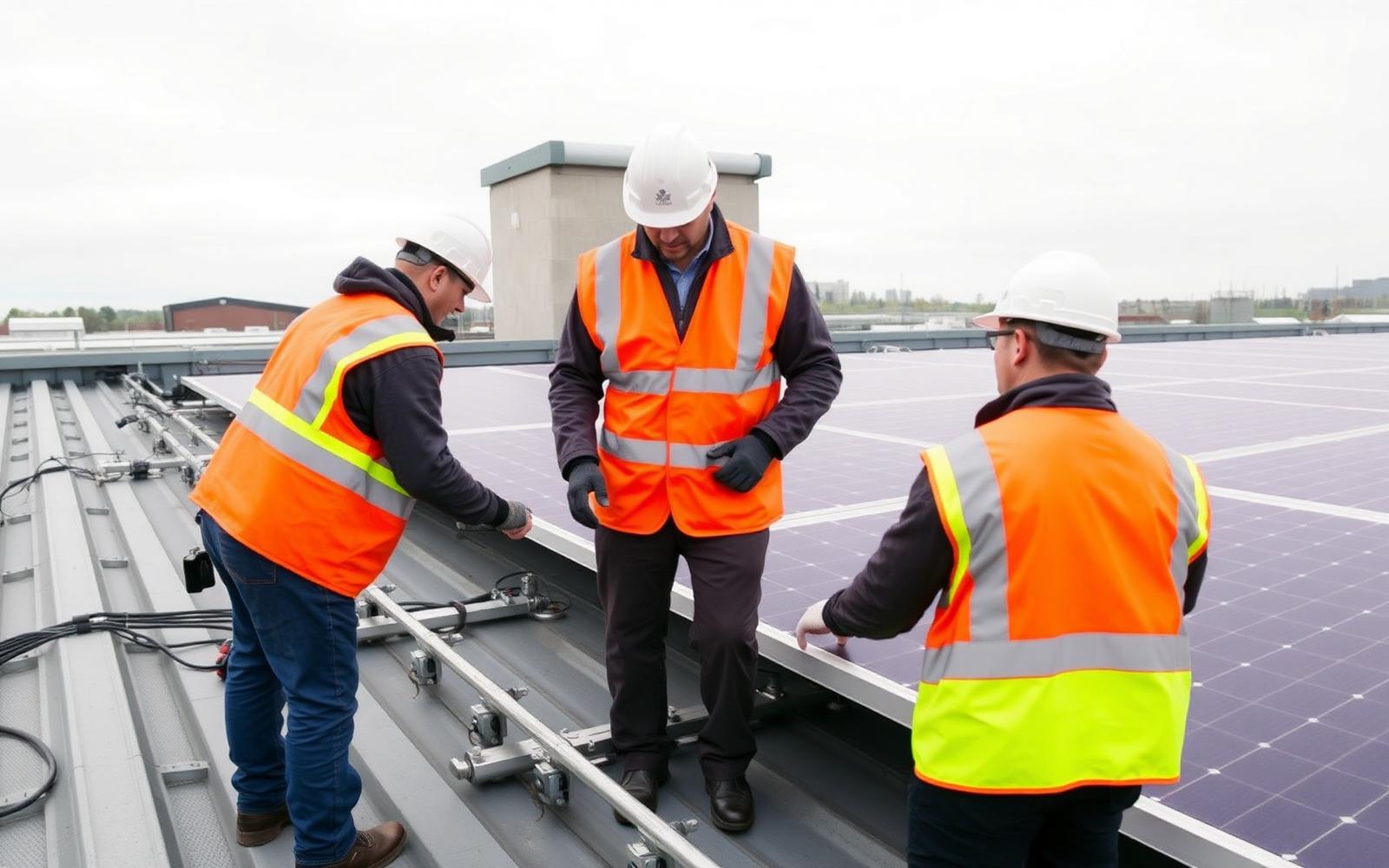
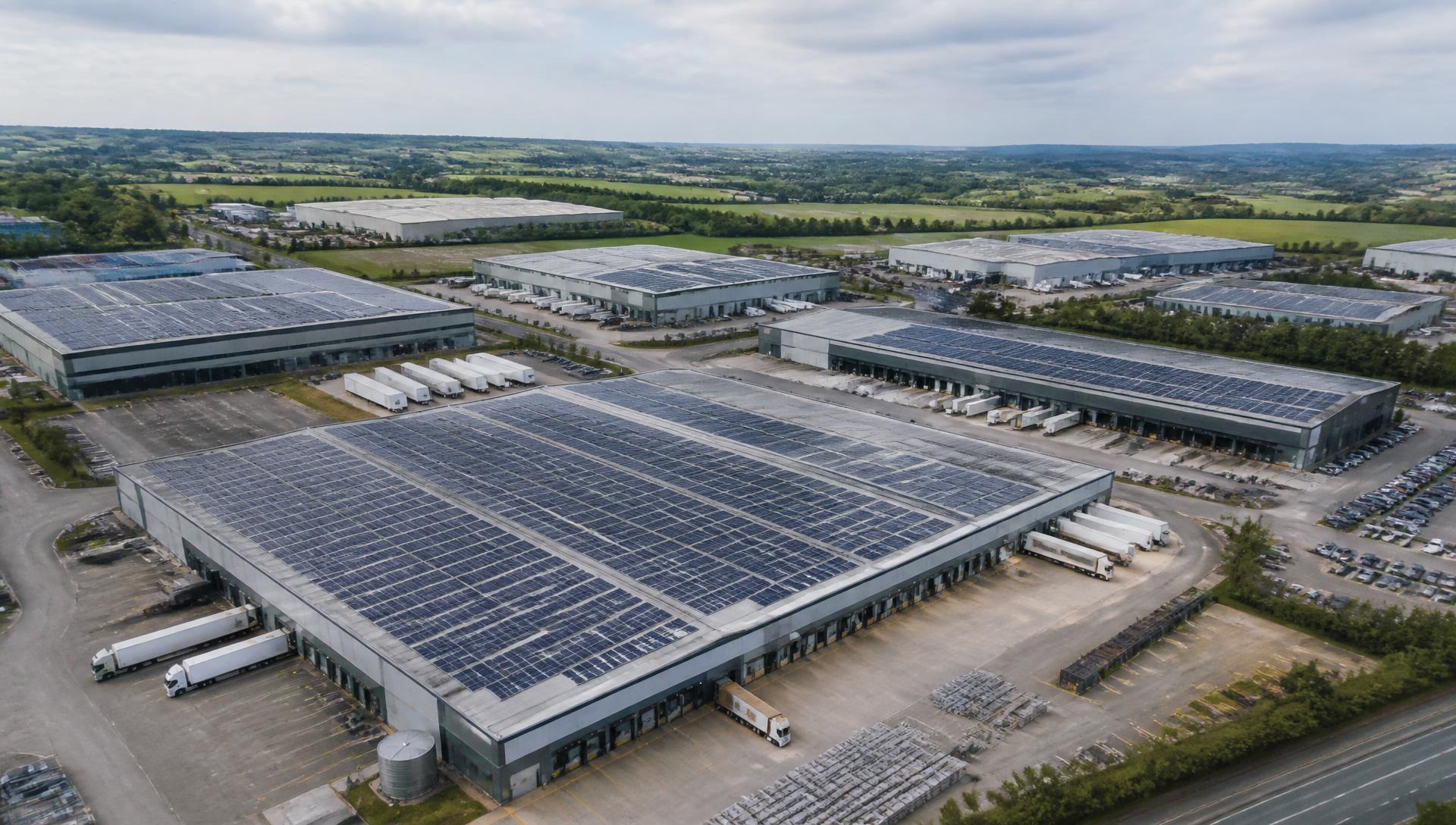
Commercial rooftop solar installation on a large UK building

Which approach sounds most like your business?

Funding structures

Twelve ways a commercial solar project may be funded

Each option below explains who normally owns the system, how payment works, what happens at the end and where the key risks sit. Actual products and terms depend on provider and project eligibility.

Outright purchase

The customer pays for the installation using available capital.

How payments work
One capital payment, normally staged around design, delivery and commissioning.
Legal owner
Customer
At the end
Customer continues to own the system.
Typical upfront position
High

Advantages

  • No interest or finance charges
  • Immediate ownership and the full electricity benefit
  • Potentially the strongest whole-life return
  • No ongoing lender agreement

Considerations

  • Greatest initial capital outlay
  • Capital cannot be used for other priorities
  • Customer carries ownership and performance responsibilities, subject to warranties and maintenance

May suit: Organisations with available capital that want maximum long-term savings and immediate ownership.

Credit: No finance credit approval. Capital allowances: May be available, subject to eligibility and professional tax advice.

Hire purchase or asset finance

A finance provider funds the installation and the customer makes agreed repayments over a set term.

How payments work
Regular repayments; a deposit and final purchase or option fee may apply.
Legal owner
Usually the finance provider during the term
At the end
Ownership usually transfers after the final payment and any applicable fee.
Typical upfront position
Low to medium; deposit may apply

Advantages

  • Spreads the cost
  • Can provide predictable payments
  • Preserves working capital
  • Customer can normally own the system at the end

Considerations

  • Interest and fees increase the amount paid
  • Credit approval and underwriting required
  • Equipment may be at risk if repayments are not maintained
  • Early-settlement conditions may apply

May suit: Businesses that want to own the solar system while spreading the cost.

Credit: Normally required. Capital allowances: May be available depending on the agreement and customer circumstances.

Finance lease

A funder purchases the equipment and the customer pays to use it over an agreed period.

How payments work
Regular rentals under the lease.
Legal owner
Funder
At the end
Choices depend on the agreement; ownership does not normally transfer automatically.
Typical upfront position
Low

Advantages

  • Low initial capital requirement
  • Potentially predictable payments
  • Preserves cash for core activity
  • Maintenance may sometimes be incorporated

Considerations

  • Funder normally retains legal ownership
  • May cost more over the term than cash purchase
  • Accounting and tax treatment need adviser confirmation
  • Cancellation conditions may apply

May suit: Organisations that want access to the system and its energy benefits without an immediate capital purchase.

Credit: Normally required. Capital allowances: Depends on the agreement; professional advice required.

Operating lease or equipment rental

The customer rents the equipment for an agreed period, with end-of-term choices set by contract.

How payments work
Regular rental payments.
Legal owner
Funder or rental provider
At the end
Return, extension or other options may apply; customer may never own it.
Typical upfront position
Low

Advantages

  • Potentially low upfront expenditure
  • Support or maintenance may be included
  • Straightforward budgeting
  • Flexibility can take priority over ownership

Considerations

  • Customer may never own the system
  • Total rentals must be compared with benefits
  • Removal and end-of-term provisions matter
  • Availability depends on project and funder

May suit: Businesses seeking predictable access to solar equipment without making ownership the main objective.

Credit: Normally required. Capital allowances: Usually depends on ownership and accounting treatment.

Business loan or green business loan

The customer borrows money separately and uses it to purchase the installation.

How payments work
Loan repayments, which may be fixed or variable.
Legal owner
Customer from installation
At the end
Customer remains the owner after the loan is repaid.
Typical upfront position
Low to medium

Advantages

  • Immediate ownership
  • Potentially broad equipment choice
  • Fixed-rate options may provide predictability
  • Potential capital-allowance position remains with customer

Considerations

  • Rates and terms vary
  • Security or guarantees may be required
  • Affects wider borrowing position
  • Green does not automatically mean cheaper

May suit: Established organisations that want ownership and have suitable access to business borrowing.

Credit: Required. Capital allowances: May be available, subject to eligibility.

On-site Power Purchase Agreement (PPA)

A third party may fund, own and operate the system while the customer buys its generated electricity at an agreed price.

How payments work
Payment for metered solar electricity, subject to the agreed price and indexation.
Legal owner
Third-party funder
At the end
Transfer, extension, removal or buy-out depends on the contract.
Typical upfront position
Low or potentially none

Advantages

  • Little or potentially no upfront capital
  • Customer buys solar electricity rather than equipment
  • Operations and maintenance may be included
  • Can improve visibility over part of electricity cost

Considerations

  • Long-term commitment
  • Indexation and review terms matter
  • Roof, lease and lender consents can affect eligibility
  • Sale, occupancy and exit provisions need careful review

May suit: Organisations with suitable premises and consistent daytime electricity use that want solar with minimal upfront expenditure.

Credit: Project and customer assessment normally required. Capital allowances: Normally follow ownership; customer should obtain advice.

Fully funded solar or roof lease

An investor funds and owns a system on the property; the occupier may buy electricity, receive roof rent or use another agreed arrangement.

How payments work
Depends on the structure: electricity purchase, roof rent or another contracted payment.
Legal owner
Investor or funder
At the end
Determined by a long-term property and energy agreement.
Typical upfront position
Minimal or potentially none

Advantages

  • Minimal or no equipment purchase cost
  • Potential access to lower-cost solar electricity
  • System owner may manage maintenance
  • Unused roof space may generate value

Considerations

  • ‘Free solar’ still creates contractual obligations
  • Roof access, repairs and reinstatement must be agreed
  • Landlord, tenant and mortgage-lender consent may be needed
  • Owner may not receive all ownership benefits

May suit: Large, suitable commercial roofs where the owner or occupier prefers third-party investment.

Credit: Commercial and property assessment normally required. Capital allowances: Normally follow system ownership.

Energy-as-a-service or shared savings

A provider may design, fund, install and manage several energy measures for a service charge or share of measured savings.

How payments work
Service charge or agreed share of measured savings.
Legal owner
Depends on the service agreement
At the end
Transfer or continued service depends on the contract.
Typical upfront position
Low to medium

Advantages

  • Can combine solar, storage, controls, lighting and EV charging
  • May reduce initial capital
  • One provider may manage performance
  • Payments may be linked to outcomes

Considerations

  • Savings baseline and verification must be clear
  • Agreements may be complex and long-term
  • Usually limited to suitable larger projects
  • Legal, accounting and technical review required

May suit: Larger organisations seeking a broader energy-reduction programme rather than standalone solar.

Credit: Usually requires detailed assessment. Capital allowances: Depends on legal ownership and contract.

Blended funding

A project combines customer capital with finance, landlord or tenant contributions, investor funding, a PPA, or verified support.

How payments work
Several contributions or agreements arranged around one project.
Legal owner
Depends on the agreed split
At the end
Each funding element has its own end position.
Typical upfront position
Flexible

Advantages

  • Reduces reliance on one source
  • Can match landlord and tenant benefits
  • Can include several technologies
  • May better fit cash flow

Considerations

  • More parties increase complexity
  • Ownership and responsibility must be documented
  • Support must not be assumed until confirmed

May suit: Projects involving multiple stakeholders or where one funding route does not meet the full requirement.

Credit: Depends on the funding mix. Capital allowances: Allocated according to ownership and eligibility.

Existing asset refinance or wider business funding

A business may release value from eligible owned assets or use wider working-capital facilities for the project.

How payments work
Repayments under the wider business funding arrangement.
Legal owner
Customer normally owns the solar system
At the end
Depends on the wider finance agreement.
Typical upfront position
Depends on facility

Advantages

  • May work where standalone solar finance does not
  • Can release capital tied up in assets
  • Can support a wider investment programme

Considerations

  • Existing assets may become subject to finance
  • Whole-business borrowing costs and risks matter
  • Specialist advice and underwriting required
  • Not suitable for every organisation

May suit: Established businesses with valuable unencumbered assets or wider funding requirements.

Credit: Required. Capital allowances: May be available where the customer owns qualifying equipment.

Community, charity or public-sector funding

Eligible organisations may use sector-specific borrowing, community investment, procurement frameworks or occasional verified grants.

How payments work
Depends on borrowing, investment or support programme.
Legal owner
Organisation, community vehicle or funder
At the end
Depends on the selected structure.
Typical upfront position
Varies

Advantages

  • Can reflect the organisation’s status
  • Community investment allows local participation
  • Verified grants may reduce capital
  • Supports environmental and social objectives

Considerations

  • Programmes change and may have deadlines
  • Eligibility must be verified
  • Procurement rules may apply
  • Community investment brings regulatory duties

May suit: Schools, charities, community buildings and qualifying public-sector organisations.

Credit: Depends on route. Capital allowances: Entity-specific; advice required.

Landlord and tenant funding

The investment and electricity benefits are allocated between the building owner and occupier to address the split incentive.

How payments work
Purchase, service charge, shared contribution, roof rent or PPA payment.
Legal owner
Landlord, tenant or third-party funder
At the end
Must align with the property lease and finance agreement.
Typical upfront position
Flexible

Advantages

  • Can share project cost and benefit
  • Supports landlord-funded service-charge models
  • Allows tenant PPA or funder ownership
  • Can be incorporated into a new or renewed lease

Considerations

  • Written landlord and lender consent
  • Lease and finance durations must align
  • Maintenance, roof repairs and reinstatement
  • Sale, tenant change, metering, legal and tax treatment

May suit: Commercial properties where the building owner and electricity user are different organisations.

Credit: Depends on structure. Capital allowances: Depends on who purchases and owns the equipment.

Side-by-side view

Compare the commercial position

Filter the options by the outcome that matters most. This comparison is general information, not a recommendation.

Outright purchase
Upfront
High
Ownership
Customer
Payments
One capital payment, normally staged around design, delivery and commissioning.
Potential fit
Organisations with available capital that want maximum long-term savings and immediate ownership.
Hire purchase or asset finance
Upfront
Low to medium; deposit may apply
Ownership
Usually the finance provider during the term
Payments
Regular repayments; a deposit and final purchase or option fee may apply.
Potential fit
Businesses that want to own the solar system while spreading the cost.
Finance lease
Upfront
Low
Ownership
Funder
Payments
Regular rentals under the lease.
Potential fit
Organisations that want access to the system and its energy benefits without an immediate capital purchase.
Operating lease or equipment rental
Upfront
Low
Ownership
Funder or rental provider
Payments
Regular rental payments.
Potential fit
Businesses seeking predictable access to solar equipment without making ownership the main objective.
Business loan or green business loan
Upfront
Low to medium
Ownership
Customer from installation
Payments
Loan repayments, which may be fixed or variable.
Potential fit
Established organisations that want ownership and have suitable access to business borrowing.
On-site Power Purchase Agreement (PPA)
Upfront
Low or potentially none
Ownership
Third-party funder
Payments
Payment for metered solar electricity, subject to the agreed price and indexation.
Potential fit
Organisations with suitable premises and consistent daytime electricity use that want solar with minimal upfront expenditure.
Fully funded solar or roof lease
Upfront
Minimal or potentially none
Ownership
Investor or funder
Payments
Depends on the structure: electricity purchase, roof rent or another contracted payment.
Potential fit
Large, suitable commercial roofs where the owner or occupier prefers third-party investment.
Energy-as-a-service or shared savings
Upfront
Low to medium
Ownership
Depends on the service agreement
Payments
Service charge or agreed share of measured savings.
Potential fit
Larger organisations seeking a broader energy-reduction programme rather than standalone solar.
Blended funding
Upfront
Flexible
Ownership
Depends on the agreed split
Payments
Several contributions or agreements arranged around one project.
Potential fit
Projects involving multiple stakeholders or where one funding route does not meet the full requirement.
Existing asset refinance or wider business funding
Upfront
Depends on facility
Ownership
Customer normally owns the solar system
Payments
Repayments under the wider business funding arrangement.
Potential fit
Established businesses with valuable unencumbered assets or wider funding requirements.
Community, charity or public-sector funding
Upfront
Varies
Ownership
Organisation, community vehicle or funder
Payments
Depends on borrowing, investment or support programme.
Potential fit
Schools, charities, community buildings and qualifying public-sector organisations.
Landlord and tenant funding
Upfront
Flexible
Ownership
Landlord, tenant or third-party funder
Payments
Purchase, service charge, shared contribution, roof rent or PPA payment.
Potential fit
Commercial properties where the building owner and electricity user are different organisations.

Illustrative calculator

Estimate repayments, energy benefit and payback

Use your own assumptions or start with the editable example. The calculator uses standard monthly amortisation and a 25-year energy projection.

Solar finance calculator

Educational illustration only. Change every assumption and test a more conservative case.

Illustrative result

Monthly repayment

£1,553.64

Monthly energy benefit

£2,000.00

Net monthly position

£446.36

Total repayable

£130,506

Interest and fees

£30,506

Cash payback

4.2 years

First-year benefit

£24,000

25-year net saving

£667,501

Year-one CO₂ reduction

20.7 tonnes

Annual finance and energy benefit
Cumulative financed position
Accessible results table
YearEnergy benefitFinance paymentsNet positionCumulative
1£24,000£18,644£5,356£5,356
2£24,477£18,644£5,833£11,190
3£24,963£18,644£6,320£17,509
4£25,460£18,644£6,816£24,325
5£25,966£18,644£7,322£31,647
6£26,482£18,644£7,838£39,485
7£27,008£18,644£8,364£47,849
8£27,545£0£27,545£75,394
9£28,092£0£28,092£103,486
10£28,651£0£28,651£132,137
11£29,220£0£29,220£161,357
12£29,801£0£29,801£191,158
13£30,393£0£30,393£221,551
14£30,997£0£30,997£252,548
15£31,613£0£31,613£284,161
16£32,242£0£32,242£316,403
17£32,882£0£32,882£349,285
18£33,536£0£33,536£382,821
19£34,202£0£34,202£417,023
20£34,882£0£34,882£451,906
21£35,575£0£35,575£487,481
22£36,282£0£36,282£523,763
23£37,004£0£37,004£560,767
24£37,739£0£37,739£598,506
25£38,489£0£38,489£636,995
Important information. These figures are illustrative only and are not a finance offer, quotation, recommendation or guarantee. They exclude VAT, tax effects, insurance, grid costs and unentered costs. Generation, savings, export value and finance terms can differ materially.

No data leaves this browser and no credit check is performed.

From review to operation

A clear six-step finance journey

  1. 01

    Understand the site

    Review electricity use, tariffs, roof or land, occupancy and business priorities.

  2. 02

    Develop the design

    Model an appropriate solar PV system and, where relevant, battery storage or EV charging.

  3. 03

    Compare structures

    Test cash purchase and potentially suitable funding routes using consistent assumptions.

  4. 04

    Confirm eligibility

    A finance provider completes its own credit, project, property and documentation checks.

  5. 05

    Review the agreement

    Check pricing, fees, security, ownership, maintenance, early settlement and end-of-term terms.

  6. 06

    Install and monitor

    Complete technical approvals, installation, commissioning and ongoing performance review.

Worked illustrations

How different priorities can change the route

These fictional examples are for explanation only. They are not customer results, offers or forecasts.

Owner-occupied manufacturer

A stable manufacturer wants eventual ownership but prefers to preserve capital. Asset finance or a business loan may be compared with cash purchase, using the same generation assumptions.

Landlord with an occupied warehouse

The roof owner and electricity user are different parties. A landlord-funded model, tenant PPA or third-party roof arrangement may be explored after lease, lender and metering review.

School or community building

Capital is constrained and procurement obligations matter. A PPA, sector-specific borrowing, community investment or a currently verified support programme may warrant investigation.

Tax and capital allowances

Commercial solar equipment may qualify for capital allowances where the customer purchases and owns qualifying plant and machinery. The result depends on the entity, asset, agreement, timing and rules in force.

UEG does not provide tax, accounting or financial advice. Do not include a tax benefit in an investment decision without advice from a suitably qualified professional.

Grants and support programmes

Support can be local, sector-specific, competitive and time-limited. No grant or support programme is presented as currently available on this page because none has yet passed UEG’s source, date, eligibility and approval checks.

A project should remain commercially understandable without assuming uncertain support.

Prepare once

Information likely to be requested

Good information makes design, funding comparison and provider assessment faster and more reliable.

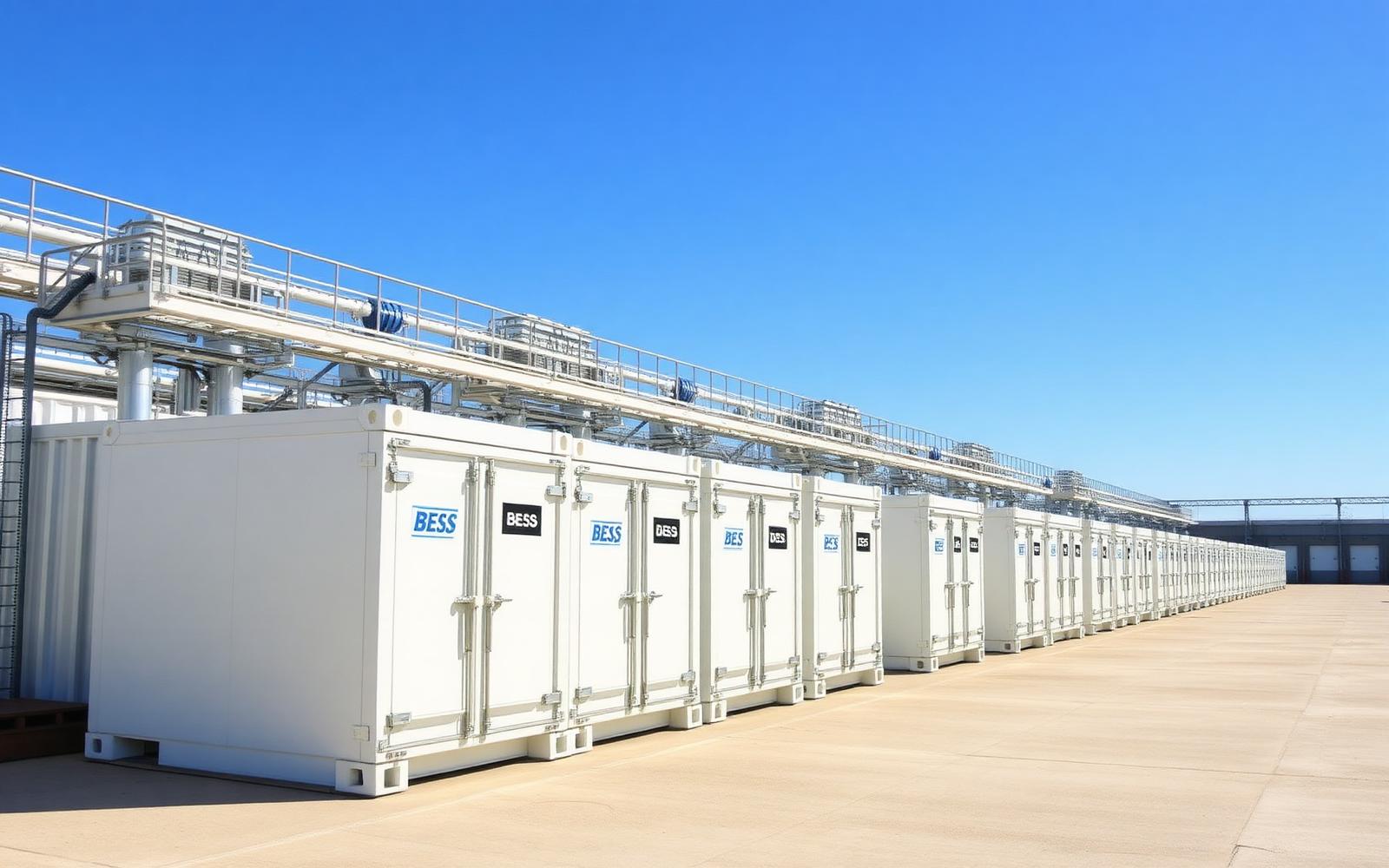
Commercial battery storage equipment supporting an energy project
  • At least 12 months of electricity bills
  • Half-hourly consumption data, where available
  • Site address and property tenure
  • Roof plans, surveys and remaining lease term
  • Recent accounts and business information if a provider requests them
  • Existing solar, battery or EV charging proposals
  • Landlord, mortgage lender or board consent where relevant
  • Your investment priorities and preferred ownership outcome

Questions answered

Commercial solar finance FAQs

Can a commercial solar system be financed?

Yes. Possible routes include asset finance, leasing, business borrowing and third-party funded structures. Availability depends on the organisation, site, project and provider.

Can solar be installed with no upfront payment?

Some PPAs and fully funded structures may require little or no equipment purchase cost, but they create long-term contractual obligations and remain subject to eligibility.

Will the energy savings cover the finance payment?

They may cover part or all of it, but this is not guaranteed. Generation, on-site use, prices, finance terms, maintenance and site conditions all affect the result.

What finance terms may be available?

Terms depend on the provider, product, project and customer. UEG will not present a term as available until it has been confirmed for the proposal.

What interest rate will my business pay?

Only a provider can confirm a rate after assessment. Calculator rates are editable illustrations, not offers.

Can I make a deposit?

Many finance structures may accept or require a contribution. A larger deposit usually reduces the amount financed.

Can I repay the finance early?

Possibly, but settlement terms and charges depend on the agreement and should be checked before signing.

Who owns the solar panels during the agreement?

It depends on the structure. A customer may own them under a loan, while a funder normally owns them under a lease or PPA.

Who owns the panels at the end?

Hire purchase may transfer ownership after the final payment and fee. Leases, PPAs and funded structures have contract-specific end arrangements.

What happens if I sell the building?

The finance and property documents need clear sale, assignment, buy-out or removal provisions. Obtain legal advice before committing.

What happens if my lease ends?

The solar agreement should be aligned with the property lease and address removal, transfer and landlord consent.

Can a tenant finance solar panels?

Potentially, with suitable landlord and lender consent and a term that works with the remaining lease.

Can a landlord install solar for a tenant?

Yes, subject to a clear structure for investment, electricity benefit, metering, service charges and lease obligations.

What is a solar PPA?

A third party normally owns and operates the system and the occupier buys the electricity it generates under a long-term agreement.

How is a PPA different from leasing?

A PPA generally charges for generated electricity; a lease generally charges for use of equipment. Contract terms vary.

Is fully funded solar really free?

No equipment purchase may be required, but there are contractual obligations involving the roof, electricity, access or term.

Can battery storage be included?

Potentially. It must be designed and valued alongside the site’s load, tariffs, controls and solar profile.

Can EV chargers be included?

Potentially. Eligibility depends on the product and provider, and the charging design must account for grid capacity and usage.

Can roof repairs be included?

Sometimes, but this depends on the funding structure and provider. Roof scope and ownership must be clearly separated.

Can VAT be financed?

Some arrangements may accommodate VAT, but treatment and timing vary. Confirm with the provider and your tax adviser.

Are maintenance and insurance included?

They may be under a PPA, service or rental structure. Ownership finance does not automatically include them.

Are finance payments fixed?

Some products may offer predictable payments; others may be variable or indexed. Check the actual agreement.

Is finance available to a new business?

It may be more limited and could require additional security or support. Only a provider can confirm eligibility.

Will personal guarantees be required?

They may be requested depending on the organisation, product and underwriting. UEG does not assume they will or will not be required.

Does applying affect the company’s credit record?

A provider may carry out credit searches. The type and effect should be disclosed before an application. This page performs no credit check.

Can schools and charities obtain solar finance?

Potential routes include sector-specific borrowing, PPAs, community investment and verified support programmes.

Are solar grants available?

Occasionally. Availability is location-, date- and eligibility-specific. No grant should be relied on until formally confirmed.

Can my business claim capital allowances?

Qualifying plant and machinery may be eligible, but the customer, ownership, agreement and current tax rules determine the position. Ask your adviser.

What happens if the system generates less than forecast?

Savings may be lower. Proposals should state modelling assumptions, warranties, maintenance responsibilities and any contractual performance provisions.

What information is required for a finance application?

Common requests include company details, accounts, bank information, project documents, electricity data and property consents. Requirements vary.

How long does finance approval take?

It varies with the provider, project complexity, information supplied, credit review and property consents. No fixed timescale is promised.

Is the calculator a formal quote?

No. It is an educational illustration based only on the assumptions entered.

Does UEG provide financial or tax advice?

No. UEG explains project economics and potential structures. Obtain appropriate independent advice before relying on financial, legal, accounting or tax treatment.

What happens if electricity prices fall?

The value of displaced grid electricity may fall and the forecast benefit may reduce. Use the calculator to test conservative assumptions.

Can I compare cash purchase, finance and a PPA using the same assumptions?

Cash and amortising finance can be compared here. A PPA comparison requires an approved PPA price, indexation and contract assumptions, which are not pre-filled.
Personalised review

Request a solar and finance proposal

A tailored comparison should start with your site, electricity use, property position and ownership preference—not a preselected product.

Documents you may later choose to provide
Submission is held safely at review stage.

We will not collect or store finance details or documents until the approved UEG CRM handoff is available. No bank details are requested and no credit check is performed.

For now, use the general enquiry form and mention “Commercial Solar Finance”.

Contact UEG securely

Important information: Important information: All figures are indicative illustrations based on the assumptions entered. They are not a quotation, recommendation, guarantee of savings or offer of finance. Finance is subject to application, status, credit assessment, project eligibility and the terms of the relevant provider. Rates, fees and repayments may differ. Energy generation and savings depend on site conditions, system design, usage and future energy prices. Obtain independent financial, legal, accounting and tax advice where appropriate.

Start with the project, then choose the funding structure

UEG can help shape a technically credible solar project and compare the commercial implications using transparent assumptions.